March 10, 2026
Tacos have become one of the most recognizable staples of Mexican cuisine worldwide. Their popularity in Mexican restaurants is unparalleled, drawing both locals and tourists alike. Understanding why tacos are so prevalent helps reveal the cultural, culinary, and practical reasons behind their dominance.
The Historical Origins of the Taco
Tacos trace their origins back centuries in Mexican history, originating as a simple way to hold and eat food using tortillas. According to experts, indigenous peoples used corn tortillas as edible plates, filling them with meats, beans, and vegetables available locally. Over time, tacos evolved with regional variations, incorporating ingredients from Spanish and other European influences after the colonization of Mexico. This combination of practicality and flavor set the foundation for what would become a beloved culinary tradition featured prominently in restaurants serving Mexican food.
Their portability made tacos ideal for both street vendors and home cooks, allowing easy consumption without utensils. This convenience factor contributed to the taco’s widespread adoption and enduring popularity, establishing it as a core element of Mexican cuisine. Today, tacos symbolize the ingenuity of Mexican culinary practices and remain a key attraction on menus throughout the country.
The Variety of Taco Fillings
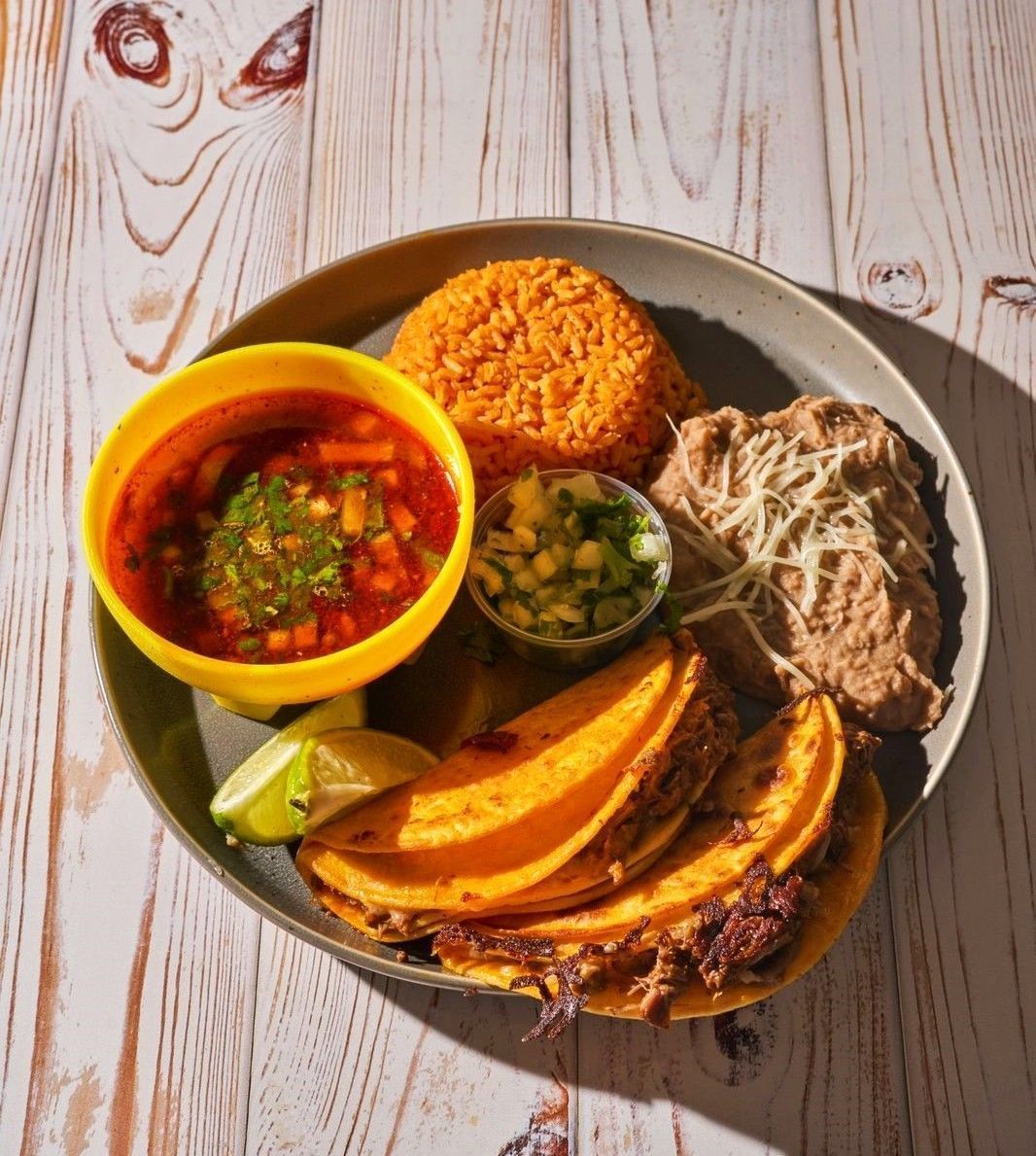
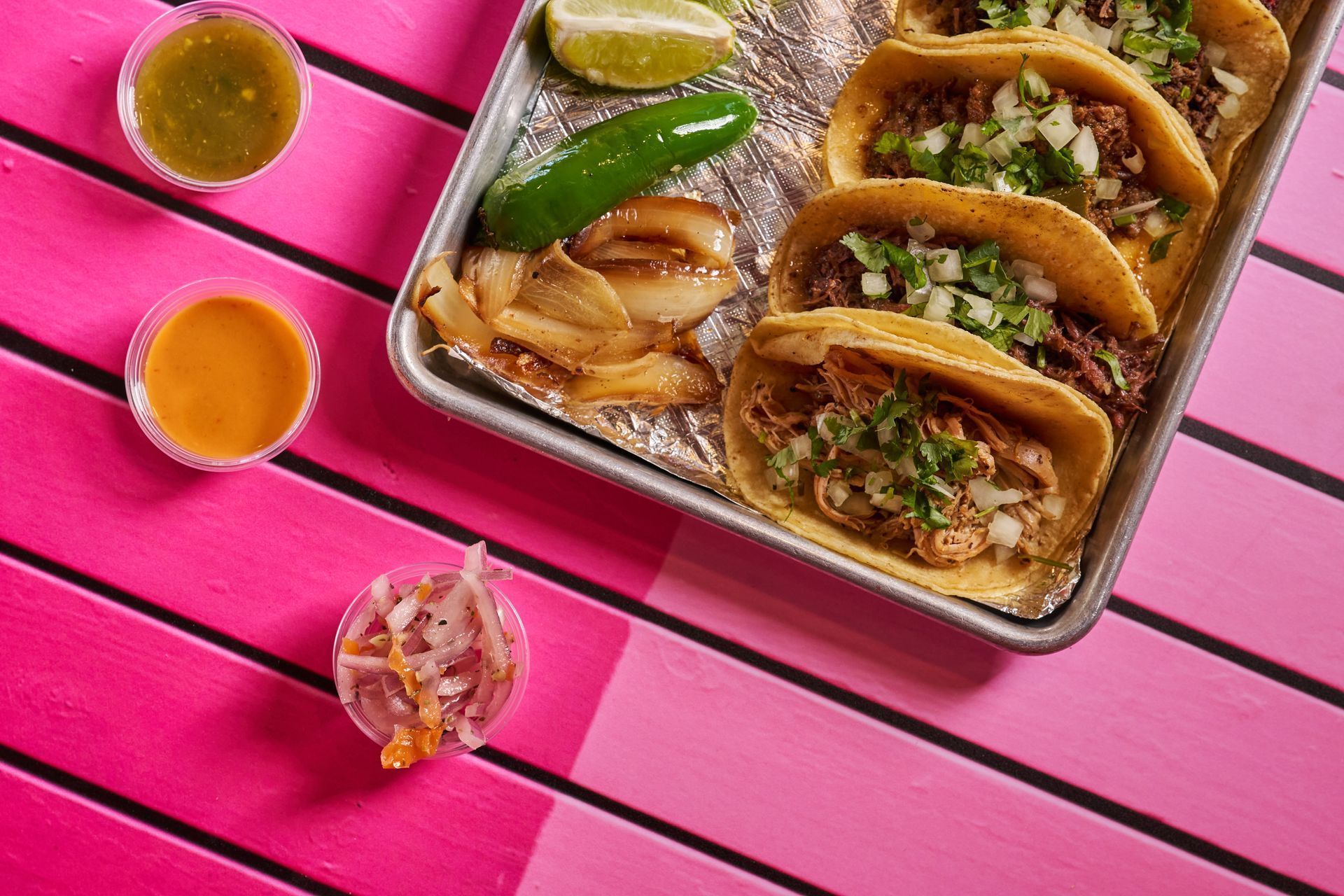
One reason tacos are so prevalent in Mexican food restaurants is the incredible variety of fillings they can accommodate. From traditional options like carnitas and carne asada to vegetarian alternatives, tacos can cater to almost any dietary preference. This versatility makes them appealing to a wide customer base and allows restaurants to showcase regional flavors and seasonal ingredients. According to the Pew Research Center, 12% of Mexican restaurants in the United States specialize in serving tacos. Beyond traditional fillings, many establishments incorporate global influences or locally sourced ingredients, creating unique combinations that distinguish one restaurant from another. This flexibility helps keep menus fresh and exciting for repeat customers.
Additionally, tacos provide an ideal platform for experimenting with sauces, salsas, and toppings, enhancing their visual and flavor appeal. Chefs can pair unexpected ingredients to surprise and delight diners. This adaptability ensures that tacos remain relevant across generations, offering both traditional and innovative options that keep patrons coming back. The endless possibilities for filling combinations make tacos a menu item that is both familiar and exciting for diners, allowing Mexican food restaurants to appeal to a broad range of tastes and dining experiences.
The Simplicity and Portability of Tacos
Tacos are simple yet versatile, which contributes to their prevalence in Mexican food restaurants. Unlike other dishes that may require extensive preparation or utensils, tacos are easy to assemble, serve, and eat. This simplicity benefits restaurants by allowing faster service, reducing kitchen complexity, and accommodating high customer volumes during peak hours. Customers also enjoy the convenience of grabbing a taco on the go, making it a favorite among busy diners. The straightforward preparation also allows chefs to experiment with flavors and ingredients without compromising efficiency, which adds variety to menus and keeps patrons coming back.
Portability also allows tacos to be served in a variety of settings, from formal sit-down meals to casual street-style experiences. Their manageable size encourages customers to sample multiple varieties, increasing sales opportunities for restaurants and creating a dynamic dining experience. This combination of simplicity and adaptability has cemented tacos as a signature dish in Mexican food restaurants across the globe. Additionally, their versatility makes them suitable for catering events, food trucks, and festivals, further expanding their reach and solidifying their status as a culinary icon.
The Cultural Significance of Tacos
Tacos are more than just food—they are a cultural symbol in Mexico. They reflect regional traditions, family recipes, and communal eating practices. By featuring tacos prominently, Mexican restaurants honor this cultural heritage and provide diners with an authentic culinary experience. The cultural resonance of tacos helps explain their enduring popularity and their widespread presence on menus around the world.
From celebrations to casual meals, tacos play an integral role in social and culinary traditions. Restaurants capitalize on this by offering traditional taco varieties that evoke nostalgia and authentic flavor experiences, which enhances the overall appeal of dining at a Mexican restaurant. This cultural connection also makes tacos a preferred choice for introducing newcomers to Mexican cuisine.
The Economic Advantage for Restaurants
Tacos are economically advantageous for Mexican food restaurants, which contributes to their prevalence. They are relatively inexpensive to prepare, requiring minimal ingredients while still offering flavorful and satisfying meals. Restaurants can efficiently produce tacos in large quantities without significant overhead, helping maintain profitability. This cost-effectiveness also allows them to offer a range of price points, appealing to budget-conscious diners and premium customers alike.
Moreover, tacos encourage repeat visits because customers can try different varieties without committing to a large meal. This repeat business is essential for sustaining local Mexican restaurants and building a loyal clientele. The combination of affordability, profitability, and variety ensures that tacos remain a cornerstone of the restaurant menu and a central element of the Mexican culinary identity.
The Role of Street Food Traditions
Street food traditions in Mexico have also played a significant role in popularizing tacos. Vendors historically sold tacos as quick, affordable meals, making them accessible to a wide audience. Mexican food restaurants have adapted these street food practices, maintaining the authentic flavors and quick-service format that made tacos popular in the first place. This connection to street food heritage adds to the taco’s charm and its prevalence on menus.
Street-style tacos allow restaurants to offer customizable experiences, where customers can choose fillings, toppings, and spice levels according to their preference. This interactive element adds value to the dining experience and reinforces why tacos continue to dominate Mexican restaurant menus. The balance between tradition and innovation keeps tacos both relevant and beloved.
The Marketing Appeal of Tacos
Tacos are visually appealing and easily marketable, which further contributes to their prevalence in Mexican restaurants. Their vibrant colors, varied textures, and customizable presentations make them ideal for social media, advertising, and in-store promotions. Restaurants leverage this visual appeal to attract customers and showcase their unique culinary offerings, often highlighting specialty tacos as signature menu items.
This marketing advantage helps restaurants stand out in competitive dining markets and encourages diners to share their experiences with friends and online communities. By emphasizing tacos in their branding, Mexican food restaurants create a recognizable and enticing image that draws in both loyal customers and first-time visitors. This visibility reinforces the taco’s status as a cornerstone of Mexican dining culture.
Tacos as a Gateway to Mexican Cuisine
Tacos serve as a gateway dish for many people experiencing Mexican cuisine for the first time. Their approachable size, familiar ingredients, and customizable nature make them accessible to a wide audience. For Mexican food restaurants, offering tacos can introduce diners to other traditional dishes such as enchiladas, creating opportunities for culinary exploration and repeat visits.
By providing an entry point to Mexican flavors, tacos help restaurants cultivate new fans and expand their customer base. This role as both an introductory and staple dish further explains why tacos are so widely represented on Mexican restaurant menus.
Tacos remain a cornerstone of Mexican cuisine due to their history, versatility, and cultural significance. Their prevalence in Mexican restaurants reflects both practical benefits and deep-rooted culinary traditions. From flavor to convenience, tacos are likely to remain a favorite for generations to come. If you are looking for quality tacos, visit Tacos y Mas today!