March 9, 2026
Discovering the best Mexican restaurants involves more than simply browsing menus; it's about understanding the rich tapestry of culture, flavor, and tradition that these establishments bring to the table. In the U.S., Mexican cuisine is not only a prominent cuisine choice but also a cultural phenomenon that captivates millions of food enthusiasts. According to IBISWorld, there are 52,024 businesses in the Mexican Restaurants industry in the United States, signifying its importance and widespread appeal. This article outlines key elements that distinguish top Mexican restaurants from the rest, offering you insights into everything from ambiance to authenticity. As we delve into these aspects, we unveil not just what makes a Mexican restaurant exemplary, but how these elements converge to celebrate a vibrant culinary tradition.
Authenticity of Ingredients
Importance of Locally Sourced Produce
Top Mexican restaurants pride themselves on using locally sourced produce to ensure freshness and support local farming communities. The authenticity of Mexican cuisine heavily depends on this commitment as fresh ingredients truly enhance the flavors native to traditional dishes. With these businesses increasingly emphasizing farm-to-table practices, customers can expect not only superior taste but a notable impact on the local economy. Furthermore, this approach aids in preserving the natural taste profiles needed in genuine Mexican recipes. It's this dedication that shapes the difference between a mediocre meal and an extraordinary dining experience.
Spotlighting Traditional Spices and Herbs
The use of traditional spices and herbs is quintessential in capturing the authenticity of Mexican flavors. From the intense aroma of cilantro to the smoky warmth of cumin, these ingredients add a unique characteristic to each dish prepared. Restaurants that prioritize authenticity often import these spices directly from Mexico, ensuring a true representation of each region's culinary heritage. Understanding the exact blend and proportion of these herbs is an art in itself and takes years to perfect. Such precision underscores why certain Mexican restaurants are celebrated and revered for their culinary mastery.
Understanding the Role of Corn and Beans
Corn and beans play a pivotal role in the foundation of Mexican cuisine, showcasing the nutrient-rich, wholesome nature of traditional dishes. In fact, these ingredients are staples that date back to the ancient civilizations of the Aztecs and Mayans. The prominence of corn is particularly evident in essential components like tortillas and tamales, which form the backbone of many Mexican meals. Similarly, beans provide a hearty and flavorful accompaniment, enhancing the nutritional value of the cuisine. Restaurants dedicated to culinary authenticity respect these ingredients’ origins and continue to refine their preparation techniques.
Usage of Traditional Oils and Fats
Quality Mexican restaurants emphasize using traditional oils and fats such as lard and avocado oil, which are vital in achieving the right texture and taste in many dishes. Lard, for example, is crucial in making refried beans and provides an unmatched richness to tamales and pastries that alternative oils fail to deliver. The stability and flavor profile of avocado oil also allow chefs to maintain nutritional integrity while enhancing dish flavors. These fats are as essential as the spices and herbs used, ensuring a comprehensive dining experience. Through their usage, diners can taste the legacy and evolution of Mexican culinary practices.
The Difference Crystalized in Handmade Tortillas
Handmade tortillas are often regarded as a hallmark of a superior Mexican dining experience, representing tradition and craftsmanship. The process of making tortillas from scratch involves meticulous technique and showcases a commitment to authentic preparation methods. Unlike machine-made counterparts, handmade tortillas offer a distinct texture and flavor, heightening the dining experience. Restaurants that invest the time and effort in crafting handmade tortillas signal to patrons their dedication to authenticity. Diners can literally taste the difference, savoring the freshness coupled with the ceremonial value ingrained in each tortilla.
Signature Dishes to Try
Exploration of Regional Specialties
Mexican cuisine is diverse, with each region offering unique dishes that tell a story of their history and culture. Outstanding Mexican restaurants make it a point to provide patrons with an array of regional specialties such as Oaxacan mole, Yucatán cochinita pibil, and Puebla's chiles en nogada. By offering these dishes, restaurants not only celebrate the diversity within Mexican cuisine but also educate diners on the varied culinary styles. Additionally, regional specialties often come with their own specific preparations, sauces, and ingredients, enhancing authenticity and flavor. This exploration is crucial for diners seeking a comprehensive understanding of Mexican culinary traditions.
Staple Dishes That Make the Restaurant a Landmark
Landmark Mexican restaurants are often known for specific staple dishes that anchor their reputation and identity. These signature dishes are consistent in quality and taste, becoming favorites that customers crave and return for time and again. In crafting these staples, chefs highlight their culinary skill and reflect the restaurant's commitment to excellence. These dishes serve as benchmarks for diners evaluating the restaurant's prowess in delivering authentic, memorable experiences. Consequently, such staples become symbols of a restaurant's brand, enduring across generations of patrons.
The Art of Preparing Taco Variants
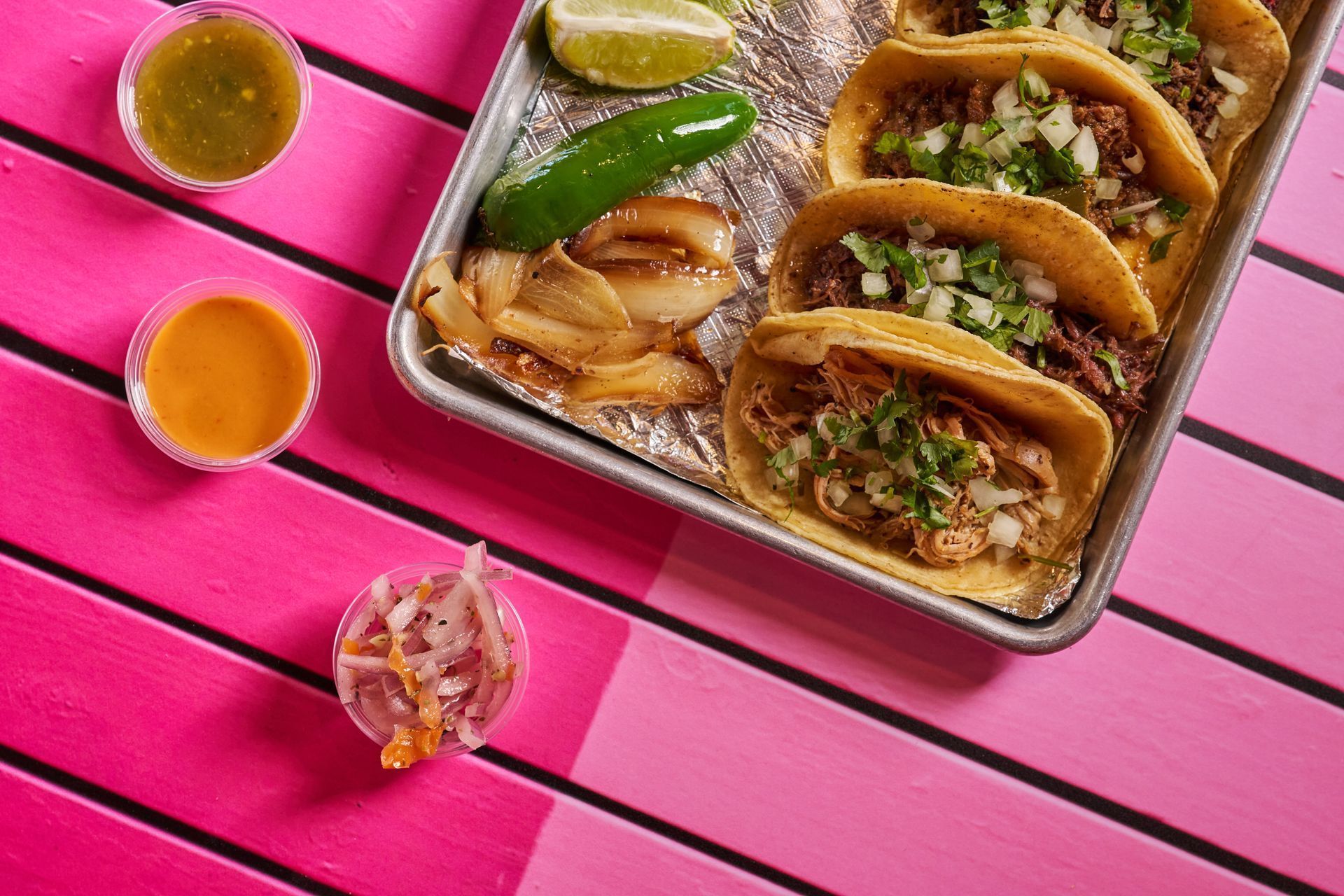
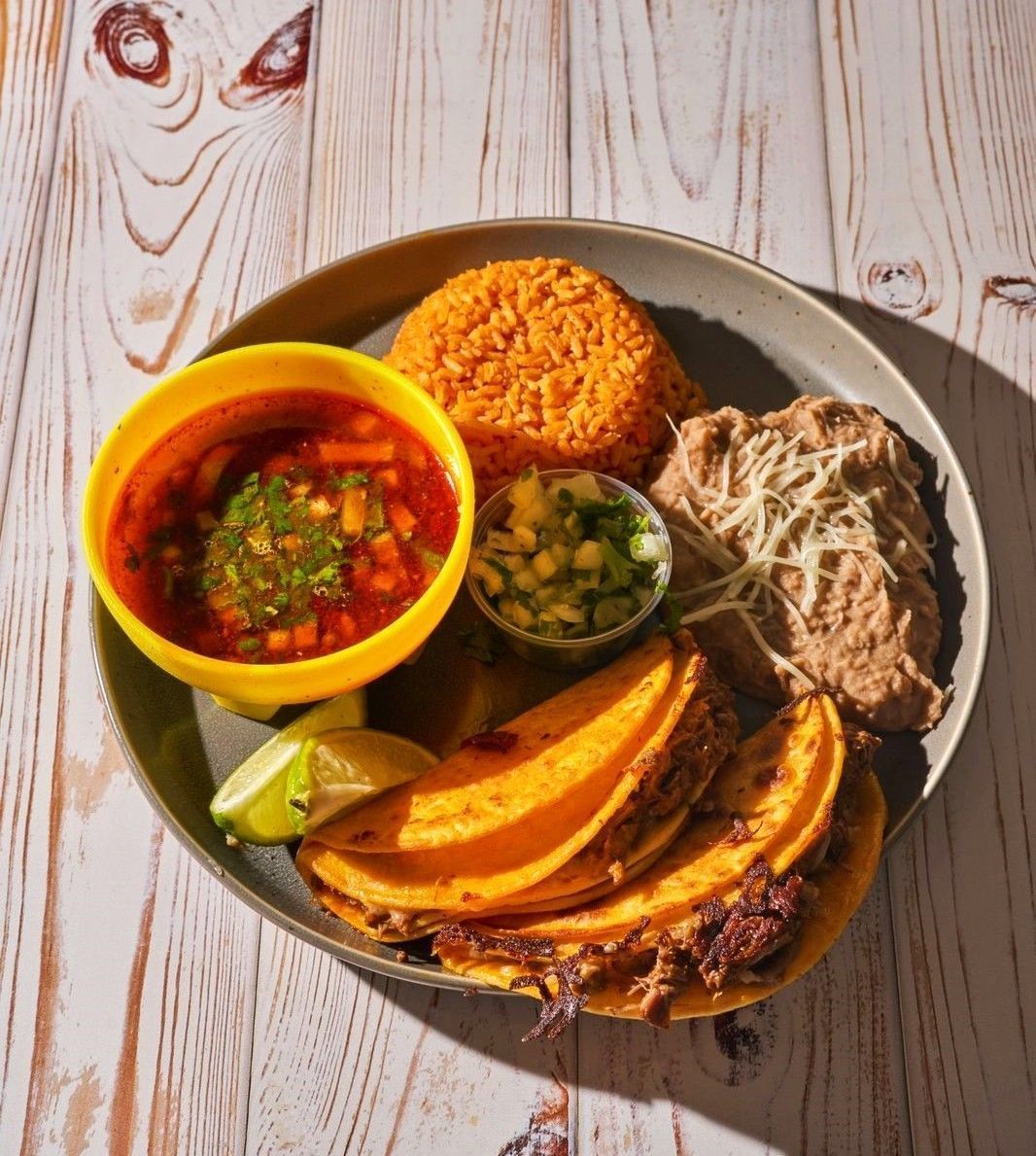
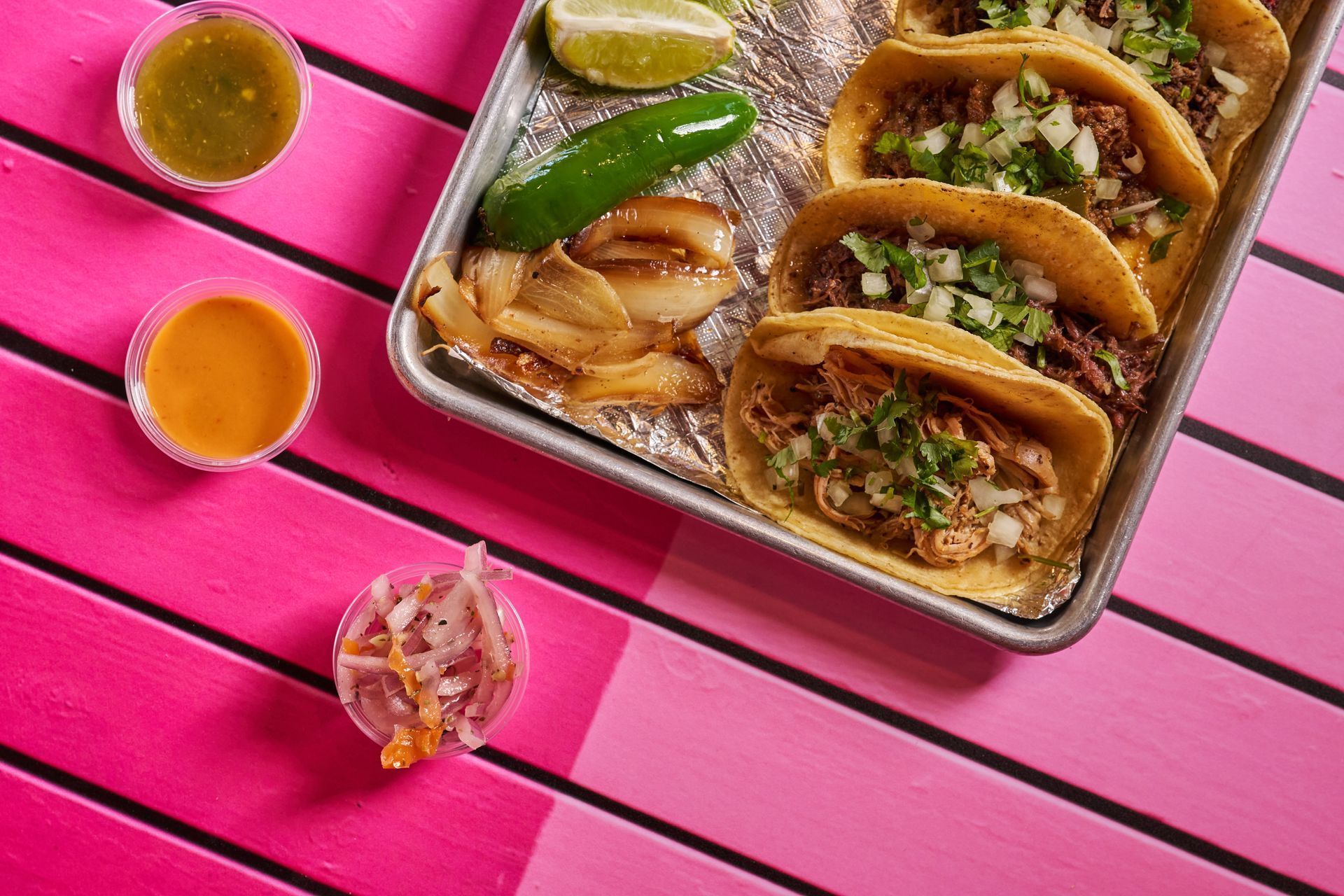
Tacos are widely beloved and often embody the creativity and adaptability of Mexican cuisine. Distinguished restaurants continuously innovate their taco offerings, blending traditional techniques with contemporary interpretations. The variety—from al pastor to carnitas to pescado—illustrates both versatility and reverence for cultural roots. Preparation often involves intricate seasoning and technique, with the option to blend local ingredients to elevate each bite. Outstanding taco preparation is a mark of a chef's expertise, balancing innovation with tradition to deliver an exemplary culinary experience.
The Intricacies of Mole Sauce
Mole sauce, with its complex blend of flavors and spices, represents the pinnacle of Mexican culinary art. Making mole involves painstaking attention to detail, requiring precise preparation of ingredients like dried chiles, chocolate, and a fragrant array of spices. Each mole recipe is a family secret passed down through generations, with specific regional variations adding depth and intrigue. Restaurants showcasing this dish highlight the labor of love and dedication in Mexican culinary tradition. Offering mole on the menu often signifies a chef's commitment to honoring intricate and time-honored recipes.
Specialty Desserts and Beverages
No authentic Mexican dining experience is complete without indulging in traditional desserts and beverages. Churros, tres leches cake, and Mexican flan stand as delectable treats that cap off meals with vibrancy and nostalgia. Equally important are beverages like horchata, aguas frescas, and mezcal, each complementing the grand symphony of flavors experienced during the meal. These elements enrich the dining experience, offering a foray into the sweet and diverse aspects of Mexican gastronomy. By including these specialties, restaurants ensure customers leave with a lasting impression of culinary richness and cultural celebration.
Ambiance and Atmosphere
The Influence of Traditional Mexican Decor
Mexican restaurants delight in using traditional decor, infusing vibrant colors, artisanal crafts, and cultural motifs into their interiors. These elements create a welcoming and authentic environment that allows diners to feel immersed in a truly Mexican experience. From intricately painted Talavera tiles to rustic wooden furniture, the decor tells a story of rich cultural heritage. This aesthetic extends beyond visual appeal, fostering an atmosphere that complements the culinary journey. Restaurants that emphasize decor create an all-encompassing dining narrative, enhancing patrons' connection to Mexican tradition.
Creating an Inviting and Family-Friendly Environment
Mexican cuisine is often synonymous with family dining, emphasizing large portions meant for sharing in warm, inviting environments. Establishments go the extra mile to create spaces that are welcoming for families, offering seating arrangements that cater to parties of all sizes. Family-friendly Mexican restaurants often include kid-friendly menu options, engaging decor, and interactive dining elements to accommodate younger guests. This promotes an atmosphere of conviviality and communal dining, celebrated within Mexican culture. As such, these settings ensure all patrons, regardless of age, enjoy an unforgettable and satisfying experience. Be sure to reach out to Tacos Y Mas today for more information on the best Mexican restaurants around!