May 21, 2026
You might think you need a plane ticket to find a meal that feels like a true cultural immersion, but the reality is much closer to home. Finding a plate that hits those deep, soulful notes of tradition is mostly about knowing which details to look for. By spotting the hallmarks of authentic craft, you can turn a simple weeknight dinner into a genuine exploration of heritage.
Seeking Out Ancestral Cooking Techniques
The foundation of authentic Mexican food lies in methods passed down through generations of families. True flavor comes from the patience of slow cooking, such as the hours required to tenderize meats in a traditional pit or a heavy clay pot. When you visit a local spot, look for mentions of braising or steaming in corn husks, as these methods preserve the moisture and essence of the ingredients.
The use of a stone mortar and pestle is another sign of a kitchen dedicated to heritage. Grinding peppers and aromatics by hand releases essential oils that high-speed electric blenders simply cannot replicate. This physical labor results in a texture that is both rustic and refined, providing a sensory experience that defines the regional culinary landscape. According to the Pew Research Center, Mexican restaurants account for over 33% of all dining establishments in 10 U.S. counties.
The process of nixtamalization remains the most vital technique for genuine corn-based items. This ancient practice involves soaking dried corn in an alkaline solution to unlock nutrients and create the perfect dough. You can taste the difference in a tortilla that has been crafted from scratch using this method versus one made from processed flour. When a restaurant prioritizes the chemistry of the corn, they are providing a direct link to the agricultural history of the land and the soul of Mexican food.
Identifying the Role of Regional Ingredients
True authenticity is found in the specific varieties of chiles and herbs used to build a flavor profile. Every region has a signature pepper, from the smoky depth of the ancho to the bright, searing heat of the habanero. A menu that distinguishes between these varieties shows a commitment to the nuanced heat levels that define the cuisine. Instead of a generic spice, you should find a curated selection of dried and fresh peppers that provide layers of taste rather than just a burning sensation.
Beyond the heat, herbs like epazote and hoja santa play a critical role in providing an earthy, anise-like backbone to soups and sauces. These plants are often difficult to source, but their presence is a hallmark of a kitchen that refuses to take shortcuts. When you encounter these distinct aromatics, you are experiencing the biodiversity of a distant landscape through your own palate. These ingredients act as the building blocks for the complex profiles that enthusiasts of Mexican food have come to adore over many centuries.
Cheese also plays a specific, localized role that differs greatly from the yellow, shredded varieties found in fusion cooking. Look for crumbly queso fresco, stretchy Oaxaca, or the salty bite of cotija used as a finishing touch. These dairy products provide a creamy contrast to the acidity of citrus and the bite of raw onions. Diners can move past the surface level and appreciate the botanical and agricultural diversity that makes the cuisine so unique and beloved globally.
Appreciating the Art of the Sauce
The sauce is the heart of the plate, acting as the connective tissue between the protein and the starch. Moles are perhaps the most famous example, often containing dozens of ingredients including nuts, seeds, chocolate, and various dried fruits. A well-executed mole should be glossy and thick, with a balance of sweet, savory, and spicy notes that dance across the tongue. It represents the pinnacle of culinary patience, as some recipes take days to fully develop their characteristic richness and depth.
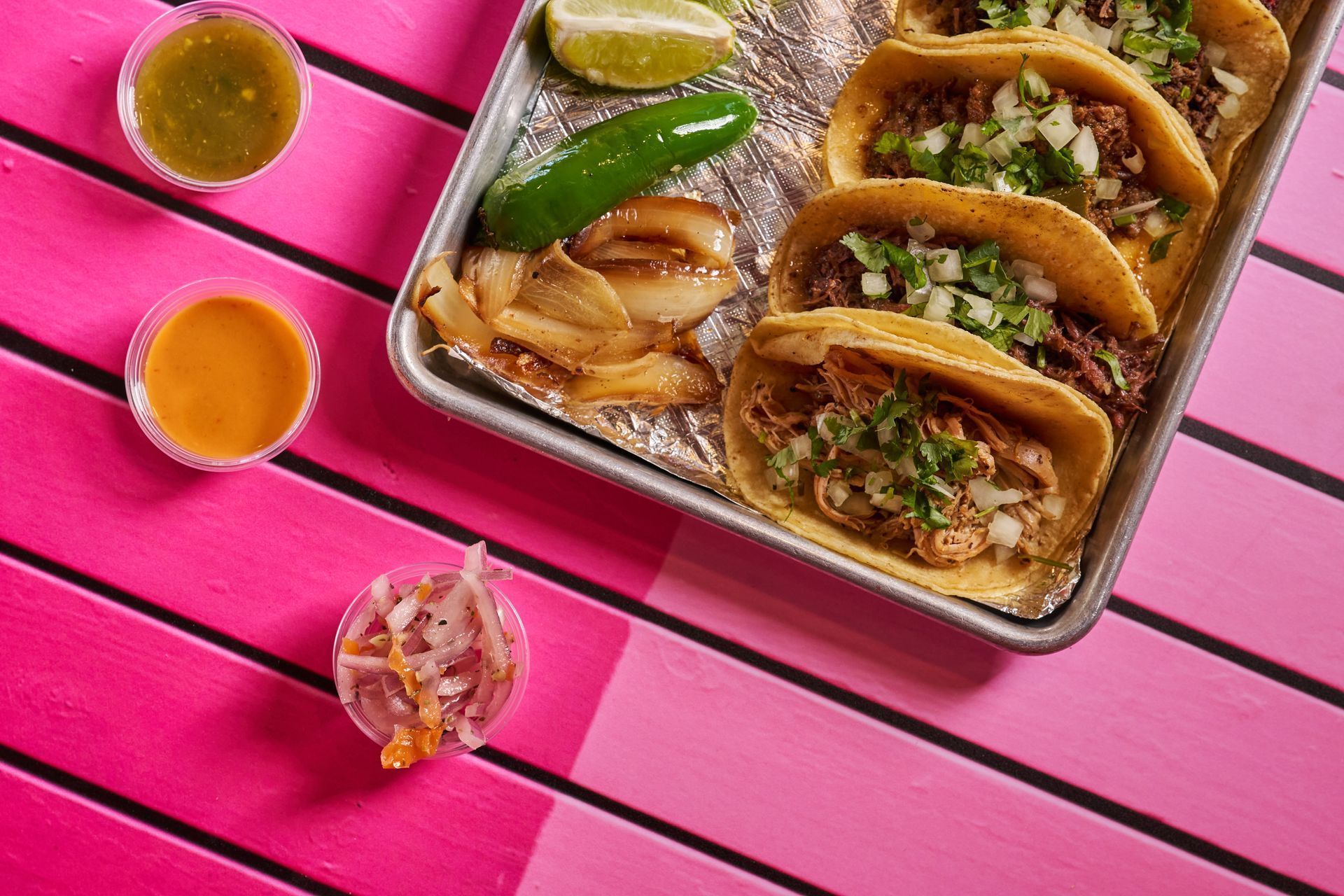
Salsas should also be viewed as more than just a dip for chips; they are essential condiments designed to brighten a heavy dish. A fresh salsa verde made with roasted tomatillos offers a tart acidity that cuts through the richness of roasted pork. The variety of these accompaniments allows you to customize your dining experience while staying rooted in traditional flavor combinations often found in Mexican food.
Texture in sauces is just as important as the flavor itself. Some should be silky and smooth, while others are intentionally chunky to provide a rustic mouthfeel. A kitchen that understands when to strain a sauce and when to leave it coarse is a kitchen that understands the rhythm of the meal. When the sauce is treated with the same respect as the main protein, the entire dish achieves a harmony that is rare to find in modern, fast-paced dining environments.
Evaluating the Importance of Corn Quality
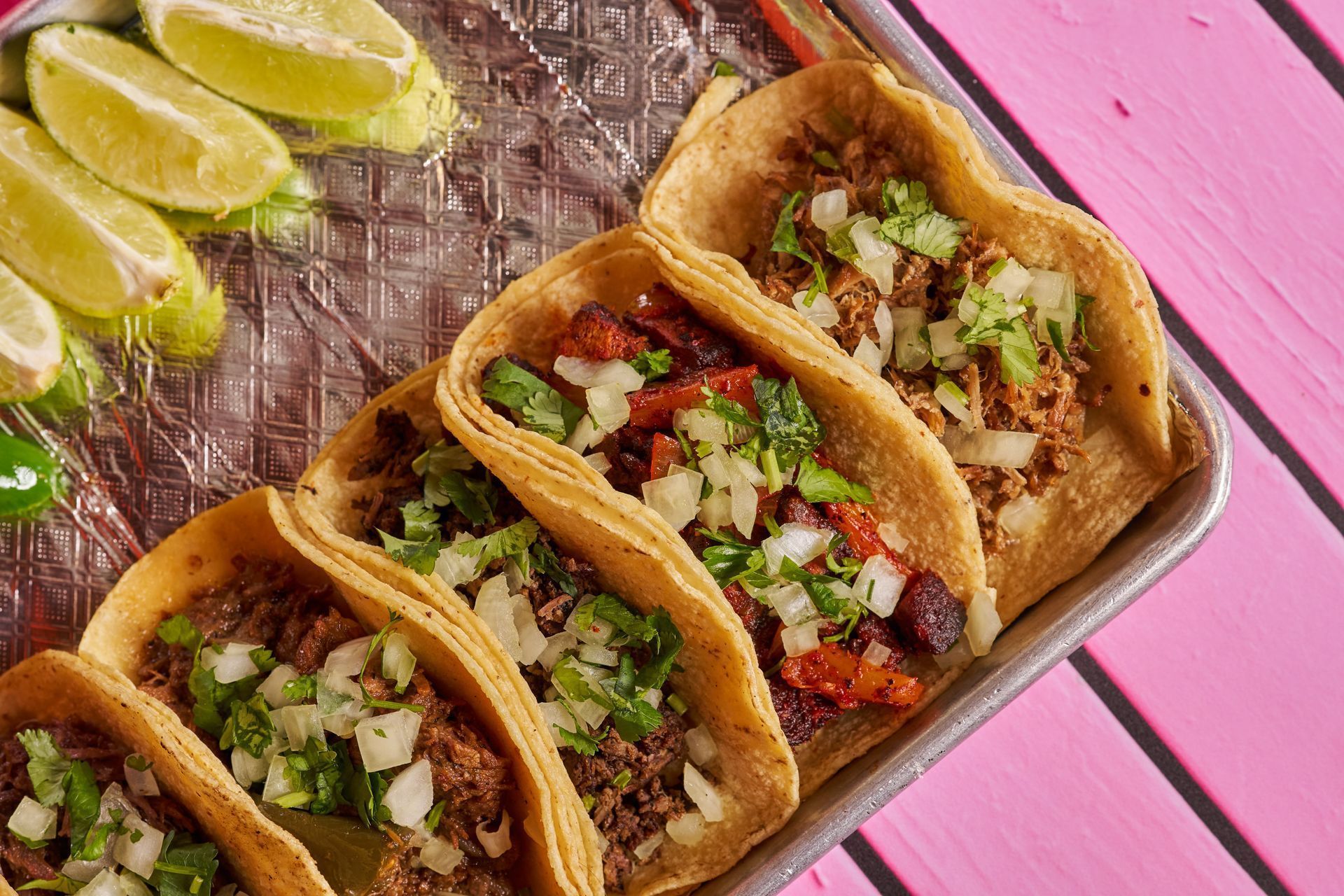
Corn is the lifeblood of the culture, serving as the canvas for nearly every iconic dish. The quality of the masa, or corn dough, determines the success of everything from a simple taco to a complex tamale. Freshly pressed tortillas should have a slight puff and a distinct aroma of toasted grain. This humble ingredient is the most important factor in judging the quality of Mexican food.
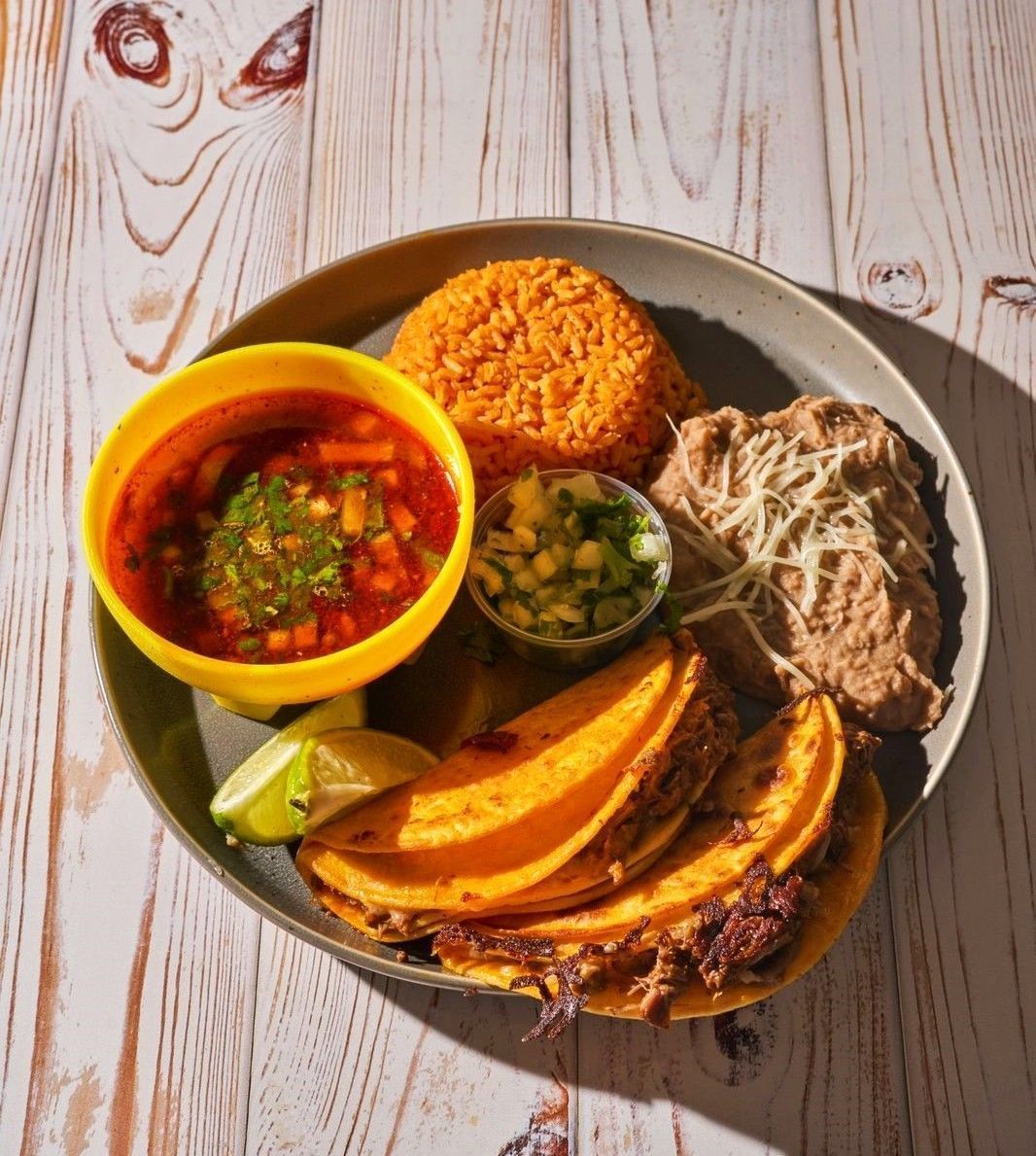
Beyond the standard tortilla, corn appears in various forms, such as thick gorditas, long huaraches, or pinched sopes. Each shape offers a different ratio of soft interior to crispy exterior, changing the way the toppings interact with the base. A thick corn base can hold up to heavy stews, while a thin, delicate tortilla is best for quick-seared meats.
The color of the corn also tells a story of regional pride and heirloom preservation. While white and yellow corn are common, you may also find blue, red, or purple varieties that offer subtle differences in starch content and flavor. These heirloom grains are often sourced from small farms that maintain traditional agricultural cycles.
Embracing the Spirit of Communal Dining
The experience of eating is often just as important as the ingredients on the plate. In many traditions, a meal is a social event meant to be shared among friends and family. This is reflected in the way dishes are served, often with platters of garnish and stacks of warm tortillas placed in the center of the table. This interactive style of eating encourages conversation and allows everyone to build their own perfect bite of Mexican food.
Atmosphere also plays a role in how flavors are perceived. While you do not need bright decor to have a great meal, a sense of hospitality is a key ingredient. The best dining experiences often feel like an invitation into someone's home, where the service is warm, and the pride in the cooking is evident. This human connection adds a layer of satisfaction that cannot be measured in spices or cooking times.
Finally, the beverages served alongside the meal complete the sensory journey. Whether it is a refreshing hibiscus tea, a creamy rice-based drink, or a fermented pineapple beverage, these liquids are designed to complement the specific spice profiles of the dishes. They provide a cooling counterpoint to the heat and a sweet finish to a savory feast.
Exploring the depths of regional cuisine is a rewarding journey that begins with a single bite. By looking for traditional techniques, specific ingredients, and a focus on corn and sauces, you can find a world of richness in Mexican food. These flavors offer a bridge to a vibrant heritage that continues to thrive and evolve. Visit Tacos Y Mas today to experience these authentic regional traditions for yourself.